
Location:
Schedule:

Healthy conflict is a constructive approach to disagreement where individuals openly share different perspectives while maintaining respect and trust. It focuses on understanding viewpoints, addressing issues directly, and working toward better decisions or outcomes without damaging relationships.
The following GoBlue pricing discounts are available and cannot be combined. Please contact us at [email protected] for a promotional code that will allow you to apply the eligible discount to your registration.
With 15 or more enrollments, you may want to consider a custom program for your organization. Please contact us to learn more about our partnership opportunities.
Once you have paid, a discount cannot be added retroactively.
THESE DISCOUNTS ARE NOT APPLICABLE FOR PARTNER PROGRAMS.
| Name | Details | Level |
|---|---|---|
| Group Discount Level 1 | Enroll 3-4 participants in one course offering. | 5% |
| Group Discount Level 2 | Enroll 5 or more participants in one course offering. | 10% |
| U.S. Government | Current employees with .gov email (not applicable to government contractors). | 10% |
| U.S. Military | Active duty personnel, reservists, retired or disabled veterans. | 10% |
| Students | Currently enrolled student from any university; please send photo of date-stamped student ID. | 10% |
| Michigan Engineering Professional Education Alumni | Past participants of any Michigan Engineering Professional Education certificate course. | 10% |
| U-M Alumni | U-M alumni from any school or department – please send uniqname to [email protected] for confirmation. | 20% |
| U-M Students and Staff | Current U-M students, faculty, and staff – please send uniqname to [email protected] for confirmation. | 20% |
| Instruction Time | Completion Time | CEUs | |
|---|---|---|---|
| Healthy Conflict & Difficult Conversations | 9:00am - 11:00am ET | Four 2-hour check-ins | 2 |
Conflict is inevitable wherever people work together—but how people respond and engage with each other determines success. The Healthy Conflict & Difficult Conversations course reframes traditional conflict management by shifting the focus from controlling others to understanding yourself.
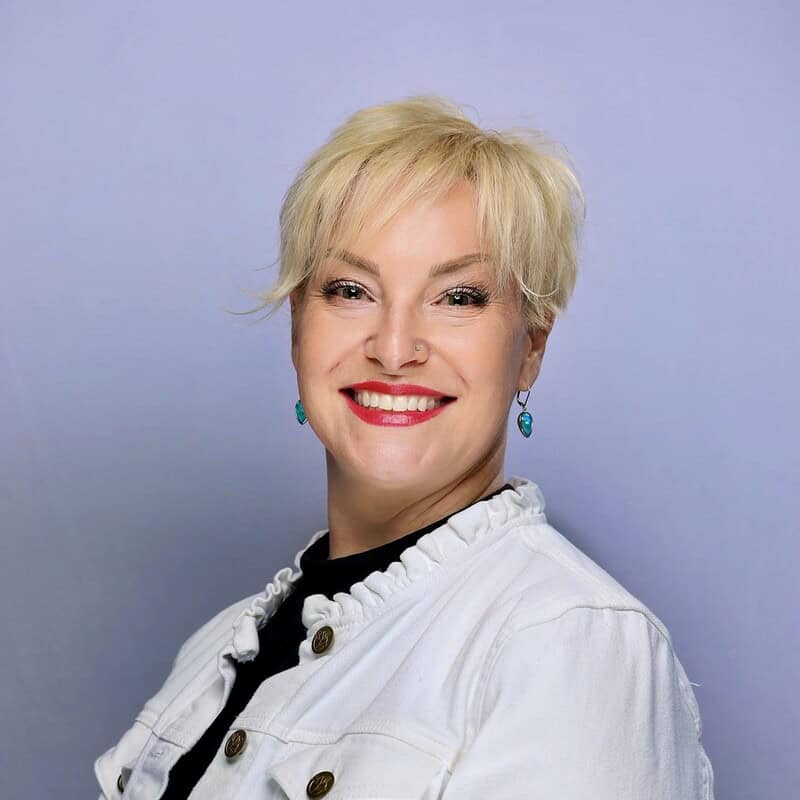
Instructor Emily Hampton-Morash leads this interactive course with a mindful, emotionally intelligent approach. She helps participants understand the neuroscience, psychology, and communication dynamics that shape conflict in the workplace and everyday interactions. Participants learn how personal perception, communication patterns, and emotional triggers influence conflict. They also learn how mindfulness and emotional intelligence can shift their reaction to conflict in real time.
Through reflective exercises and real-world scenarios, participants learn how to approach difficult conversations with clarity and empathy. Rather than offering a one-size-fits-all approach to conflict management, this course equips you with tools and strategies to navigate your own responses and assumptions. You will leave with a personalized roadmap to engage in healthier conversations and take emotional accountability. You also gain practical strategies to navigate conflict more effectively in both professional and personal settings.
This course is designed for individuals who want to strengthen their communication skills and navigate conflict more effectively, including:
Powered by: 
Digital badge earned after successful completion of this course.
Certificate will be awarded upon successful completion of this course.
Organizations apply these leadership practices to improve team communication, navigate difficult conversations, and align cross-functional teams in engineering and technical environments.
Feedback delivery; conflict resolution; conversation planning; listening skills; trust building.
Managers, team leads, and professionals who need stronger communication in difficult situations.
What does Healthy Conflict & Difficult Conversations cover? Healthy Conflict and Difficult Conversations training helps professionals handle tension directly, respectfully, and productively. Participants learn practical ways to prepare for difficult conversations, give honest feedback, and resolve disagreement without damaging trust.
Who should take Healthy Conflict & Difficult Conversations? Managers, team leads, and professionals who need stronger communication in difficult situations.
How is Healthy Conflict & Difficult Conversations used in practice? These techniques help teams address tension early, improve feedback, and keep relationships strong while solving real issues.
How do you have difficult conversations at work? What is healthy conflict? How do teams give better feedback?
Leading Change, Leadership in the Age of AI, The Mindful Leader Practice
For more information or answers to any questions please email [email protected] or fill out the form.